There’s a reason why transitioning from the military to a civilian career has been a roadblock for many veterans. The discipline, expectations, culture – everything changes, fast. Our own veteran employees are tackling these challenges by committing to community outreach and building organizations such as our AT&T Veterans Employee Group.
However, as much as things evolve, the right perspective can show how veteran skills can apply in a corporate career. Jason Porter, SVP Global Supply Chain, said as much when it comes to transitioning veterans:
As you transition to civilian life, don’t forget that you have value immediately when you begin your career outside of the military. Never discount your strengths as a leader. Also, just like listening to a savvy Platoon Sergeant in the military, find and listen to the experts in your organization.
That’s why we work with the SkillBridge Fellowship Program, which matches civilian opportunities to a service member’s training and experience. It’s a program open to any rank, enlisted or officer, and we’re proud to welcome participants who can train within the last 180 days of their Service.
Hear from a few of our veteran employees on how the Program carves a path toward career success.
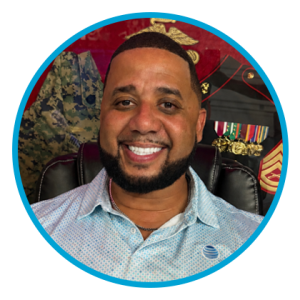 Victor R. – Sr. Specialist, Talent Acquisition
United States Marine Corps
How important do you think the SkillBridge program is for Veterans transitioning to civilian careers?
“After 20 years in the Marine Corps, I wasn’t simply looking for a SkillBridge opportunity, I was looking for a place where I could build a second career. What initially attracted me to AT&T was its reputation for connecting people and supporting critical communications on a global scale. The company operates in an environment where reliability, leadership, teamwork, and mission success truly matter, values that closely align with those I lived throughout my military career.
My first month here has been nothing short of amazing. The leaders within the company have been professional, supportive, and invested in my success, while my peers have been welcoming and eager to help me learn. This experience has already given me confidence as I prepare for the next chapter of my career.”
What challenges did you face during your transition, and how did the SkillBridge program help you overcome them?
“Transitioning from a military career comes with a number of questions and challenges. Will I fit in? Can I adapt to the differences between military and corporate environments? Is this the right career path for me? What makes SkillBridge so valuable is that it provides answers to those questions in a real-world setting.
As a service member, I have the opportunity to gain firsthand experience in the civilian workforce while still receiving support from the military. At the same time, the host company gets the opportunity to work alongside highly motivated, adaptable professionals through a true “try before you buy” model. It’s a win-win for both the veteran and the organization.”
What advice would you give other service members considering SkillBridge or leaders interested in onboarding military fellows?
“My advice to any service member preparing to transition is simple: take advantage of a SkillBridge opportunity. The experience, professional development, and networking opportunities you gain can be invaluable, especially when you find a company that aligns with your goals and values.
For leaders, it’s important to recognize that military fellows bring much more than technical skills and experience. They also bring intangible qualities such as reliability, accountability, adaptability, resilience, and a commitment to serving something larger than themselves. Those traits often translate exceptionally well into the corporate environment and can make a lasting impact on a team.”
 Brody L. – Principal – Technology Security, Security Operations & Compliance
United States Navy
How important do you think the SkillBridge program is for Veterans transitioning to civilian careers?
“The SkillBridge program is the most practical, high-impact tool available to veterans whose goal is to transition into a competitive and fulfilling role in the civilian workforce. For me, it was the difference between guessing at a civilian career and stepping into one with momentum behind me. Also, because the veteran is still receiving military pay and benefits, they can focus on learning the career and proving their worth to an organization instead of feeling pressurized to secure a job immediately.”
What challenges did you face during your transition, and how did the SkillBridge program help you overcome them?
“Some of the biggest challenges I faced during transition were centered around the timing and logistics of completing my military obligations and relocating my family. The SkillBridge program depressurizes the employment aspect of the transition which allows for more energy to be spent on all the other aspects of a complex transition like that. It stretched out the transition timeline in a way that made it manageable for me and my family.”
What advice would you give other service members considering SkillBridge or leaders interested in onboarding military fellows?
“My advice to Veterans considering SkillBridge is simple: use it. It’s the most valuable resource that you have access to during transition. For civilian workforce leaders, no other program exists where you have access to talented applicants with unique experience that you can onboard for one-to-four months risk and cost free. Organizations that aren’t leveraging the SkillBridge program may be overlooking a valuable talent pipeline.”
 Sean D. – Associate Director – Technology
United States Navy
How important is it to have an opportunity like DoD SkillBridge?
“The opportunity to participate in the SkillBridge program is invaluable. It provides candidates with private-sector exposure and the ability to establish a professional network. I was very grateful for the mentors who helped me find a path at AT&T and continue supporting my career growth today.”
What soft skills from the military did you transfer to your fellowship?
“Every veteran who transitions to the civilian sector comes with built-in experiences that enhance an organization’s value. The soft skills that were most valuable during my transition were communication skills and adaptability. Clear communication and being flexible with using different methods of communication were essential towards finding success.”
How have you paid it forward?
“I try to give my time and effort back to the Veteran community, supporting active-duty service members or recently transitioned veterans with mentorship and feedback to help make their experience a positive one. I’ve also had the pleasure of participating in online forums via LinkedIn to assist transitioning service members and provide professional feedback. We recently hosted and hired a SkillBridge candidate who worked on my Team and did some fantastic work over a 4-month period.”
How can one get involved with SkillBridge? Click the button below to find out about current opportunities or, if you’re not quite ready to apply, get some advice from our Veteran recruiters on how to perfect your resume and navigate the military-to-civilian transition.
Learn more
You Might Also Like