

Inside Allies: From ranks to recruiting (part two)
Miss part one of Inside Allies? Check it out here.
Transition is more than updating your resume and submitting applications. You’re stepping into a hiring process that can feel unfamiliar, fast in some moments, slow in others, and often hard to read. Veterans bring leadership, discipline, and mission focus; the capability is already there. The shift is learning to make your impact easy for employers to see. Your resume matters, but conversations with recruiters, hiring managers, and your network often move you forward.
Veteran recruiters consistently come back to three areas you can control: how you tell your story, how you show up in interviews, and how you use the time before and after separation to build momentum.
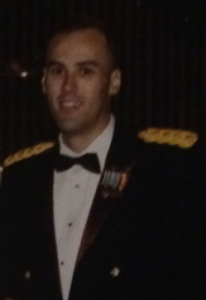
Army Veteran Brad
Strong Veteran candidates share three things: discipline, teamwork, and adaptability.
Regardless of branch, there are common traits that Veterans bring to civilian roles. “The Army taught me how to work closely with my team to overcome challenges, achieve mission success , and still care for my people,” says Brad, now a Director of Talent Acquisition. “That balance of drive and empathy is something I look for in every candidate.”
Jeff, an Army Veteran and Associate Director in Talent Acquisition, points to the leadership foundation many Veterans share, “Leadership is about duty, discipline, and integrity. It’s setting the example, not giving orders.” That mindset translates well into the civilian world where influence and accountability are as important as authority.
Sterling, a Coast Guard Veteran and Lead Talent Acquisition Manager, says perseverance, “The discipline to see things through, that’s what gets you across the finish line, whether you’re in uniform or in the office.”
A consistent challenge recruiters notice is that Veterans often understate their impact, assuming rank or unit reputation will speak for itself. “Most of the time they’ve done far more than they realize,” says Thomas, a former Army Command Sergeant Major and now a Senior Talent Acquisition partner. The key is describing that impact in plain terms: scope, outcomes, and what changed because you were there.

Army Staff Sergeant Jeff
Making it to the next step: interviewing.
Getting interviews is about match and messaging; doing well in interviews is about clarity. Sterling puts it simply, “The ability to connect your public-sector background to the needs of the private-sector position and articulate it clearly.”
“The best applications and interviews clearly communicate skills and achievements in civilian terms,” adds JoHanna, a former Marine Corps Corporal and now a Lead Talent Acquisition Manager. “Candidates who succeed are able to explain their level of responsibility, interests, and goals.” The combination of being able to share what you’ve done and what you want to do next signals focus and readiness.
James, an Army Veteran and Senior Talent Acquisition leader, listens for measurable outcomes. “Talk dollars, outcomes, and percentages.” Even if your role wasn’t tied to profit and loss, you can still quantify results: people, equipment, time, readiness, safety, efficiency, or process improvement.
Sterling stresses the importance of preparation. Strong candidates research the company, review the job description, and practice answering questions without acronyms or military terminology. Common missteps recruiters see is lack of company knowledge, relying heavily on jargon, skipping specifics, and underselling strengths. As JoHanna reminds us, you can’t assume others will automatically recognize your value, you have to make it clear.
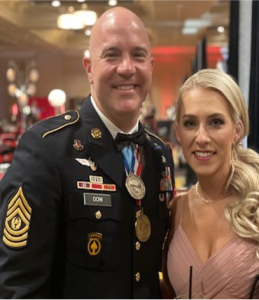
Command Sergeant Major Thomas
It’s okay: you do not have to commit.
A civilian career rarely follows a straight ladder. Your first role after separation doesn’t have to be your final destination. It can be a stepping stone that builds recent, relevant skills and helps you acclimate to a new environment.
Sterling encourages Veterans to consider contract roles, “They can provide for a nice transition in the private sector, allowing you to acclimate to a different culture, while acquiring relevant knowledge, skills, and abilities (KSAs).”
James recommends connecting with transition programs and Veteran advocacy groups that help translate military skills into post-service career pathways, including employers who understand military talent. Programs like SkillBridge (when available) and other training-to-employment partnerships can offer early exposure to corporate roles, allowing you to build confidence and credibility before you fully separate.
Inside an organization, having support systems such as mentors, structured onboarding, buddy programs, and Veteran employee groups can help you learn the unwritten rules faster: how performance is measured, how promotions work, and how to navigate career moves.
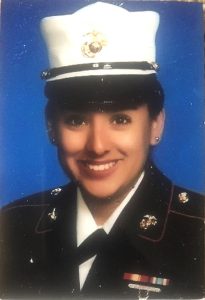
Marine Corps Corporal JoHanna
The words you don’t want to hear: you’re not qualified.
Thomas shares a frustration from his own transition, being told he wasn’t a “fit” for a HR role because he didn’t know how to navigate a specific tool or software, even though his recruiting and leadership background were deep. That changed when a hiring manager looked past the tool gap, focused on what Thomas could contribute, and trained him in the software.
It’s a practical reminder that many roles have learnable tools and non-negotiable traits. Your job is to make your foundational strengths obvious: execution, accountability, learning speed, and leadership. Then back them up with examples that prove adaptability.
Keith, a Navy Veteran, points to another reality, “A lot of civilian roles are niche, and employers hesitate on Veterans simply because they don’t understand how effective Veterans can be.”
JoHanna recalls meeting with a candidate who might have been overlooked because his resume didn’t stand out. The role required exceptional bilingual ability; while he wasn’t a native speaker, he had strong language exposure from growing up as an expat and later serving in a unit with people from multiple countries and dialects. Those details became differentiators once someone knew what to listen for.
James also recalls helping a hiring manager reconsider a candidate who was initially dismissed for lacking “real-world experience.” The candidate was young, but had led teams, operated under pressure, and delivered outcomes in complex environments. Showing experience that aligned strongly with the role once it was explained in civilian terms.
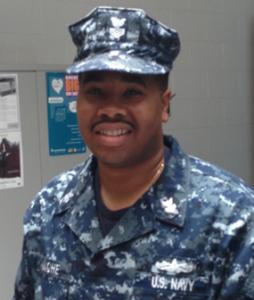
Navy Veteran Keith
Three things to keep with you: confidence, identity, and resilience
Leaving the military is a major life change. It can come with a mix of excitement, uncertainty, and pressure; especially when you’re deciding what you want to do next and redefining what success looks like. If that’s where you are, you’re not alone.
Jeff emphasizes authenticity, “Be authentic and genuine.” In his view, most Veterans aren’t asking for guarantees, just the chance to prove themselves.
Small moments can matter, too. JoHanna notes that taking an extra second to recognize military experience and express appreciation can help candidates feel seen in a process that often feels impersonal.
And above all, be persistent. “The right opportunities are out there for you,” Thomas says. “Be relentless in your pursuit. The time, stress, and effort are very much worth it.”
Ready to take the next step?
Learn more about opportunities for Veterans at AT&T